
Primary Years
IB Primary Years Program
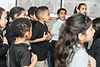
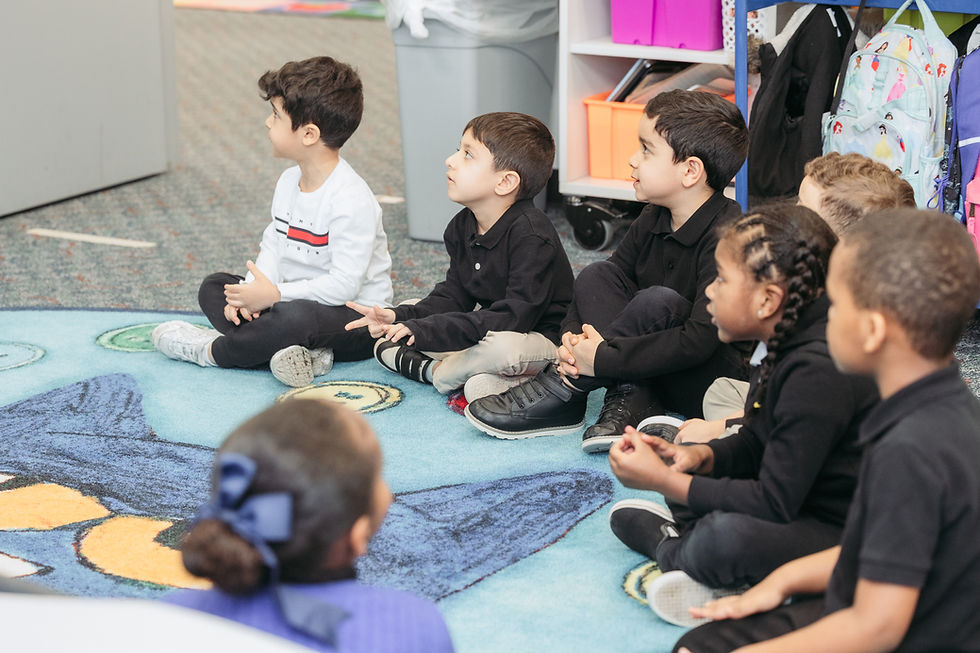
The IB Primary Years Program (PYP) at International Scholars Academy serves students in Kindergarten through Grade 5, offering a dynamic and inquiry-driven learning experience that nurtures the whole child. Grounded in global perspectives and Islamic values, the PYP inspires students to think critically, ask meaningful questions, take initiative, and explore their world with curiosity and confidence.
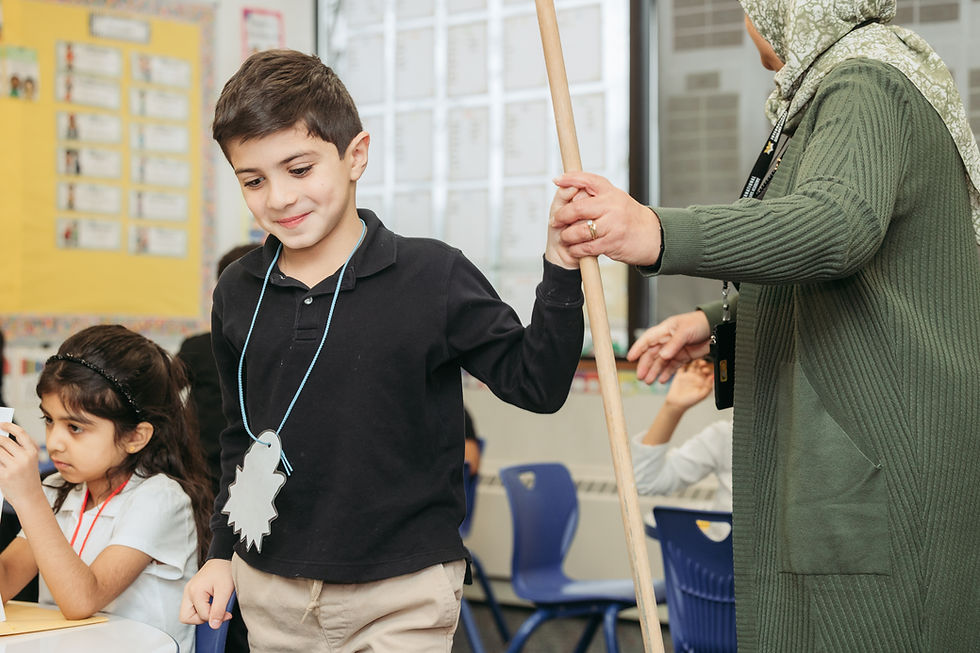
Through a transdisciplinary approach, students learn across and beyond traditional subject boundaries. Instruction integrates English Language Arts, Arabic, Mathematics, Science, Social Studies, Islamic Studies, the Arts, Physical Education, and Health, allowing students to build connections and apply their learning to authentic, real-life contexts.
PYP places strong emphasis on
-
Approaches to Learning (ATL) skills such as collaboration, communication, research, self-management, and critical thinking.
-
The IB Learner Profile, developing students who are principled, caring, open-minded, reflective, knowledgeable, and inquisitive.
-
Student agency, empowering children to make choices, take ownership of their learning, and actively contribute to their classroom community.
-
Meaningful action, encouraging students to apply their learning in ways that benefit themselves, their peers, and the wider world.
A Transdisciplinary Framework
Student learning is guided by six global themes:
-
Who We Are
-
Where We Are in Place and Time
-
How We Express Ourselves
-
How the World Works
-
How We Organize Ourselves
-
Sharing the Planet
These themes allow students to see connections across disciplines and explore concepts in depth, developing both understanding and compassion.
Signature PYP Experiences
Throughout the year, students engage in a variety of experiences that enrich their learning, including field trips connected to Units of Inquiry, Learning Showcases, STEM challenges, science fairs, Arabic language events, Quran recitations, poetry competitions, spelling bees, math competitions, Unity Day, Friday Clubs, and student-led conferences. The PYP Exhibition, completed by Grade 5 students, is the culminating learning experience of the Primary Years Program. It is a student-driven project in which learners investigate an issue or topic they care deeply about, conduct research, develop original ideas, take meaningful action, and present their findings to the school community. The Exhibition demonstrates the skills, approaches to learning, and independence students have developed throughout their PYP journey and serves as a bridge to success in the Middle Years Program.
PYP Program of Inquiry
Our Primary Years Program aims to provide the fundamentals your kid need to become a world citizen. With not only an understanding of who they are but also on how the world is organized and other values that will stay with them while they grow up. At ISA, we help children grow up to be responsible and respectful adults.
At ISA, your child will learn:
Who we are
An inquiry into identity as individuals and as part of a collective through:
-
physical, emotional, social, and spiritual health and well-being
-
relationships and belonging
-
learning and growing
Where we are in place and time
An inquiry into histories and orientation in place, space, and time through:
-
periods, events, and artefacts
-
communities, heritage, culture, and environment
-
natural and human drivers of movement, adaptation, and transformation

How we express ourselves
An inquiry into the diversity of voice, perspectives, and expression through:
-
inspiration, imagination, creativity
-
personal, social, and cultural modes and practices of communication
-
intentions, perceptions, interpretations, and responses
How the world works
An inquiry into understanding of the world and phenomena through:
-
patterns, cycles, systems
-
diverse practices, methods, and tools
-
discovery, design, innovation—possibilities and impacts
How we organize ourselves
An inquiry into systems, structures, and networks through:
-
interactions within, and between, social and ecological systems
-
approaches to livelihoods and trade practices—intended and unintended consequences
-
representation, collaboration, and decision-making
Sharing the Planet
An inquiry into the interdependence of human and natural worlds through:
-
rights, responsibilities, and dignity of all
-
pathways to just, peaceful, and reimagined futures
-
nature, complexity, coexistence, and wisdom
Program of Inquiry
Who we are
Central idea
Our family and community make us unique.
Key concepts
Form, Function, Responsibility
Lines of inquiry
Families in the past may look different from families in the present (Function)
Our physical features and personality come from our families (Form)
Citizens follow rules of the community or places we live (Responsibility)
How we express ourselves
Central idea
Experimenting and exploring artistic tools provide various mediums for self-expression.
Key concepts
Causation, Responsibility, Perspective
Lines of inquiry
Sharing and reflecting on our ideas and feelings (Perspective)
Using purposeful language and actions to communicate with others (Responsibility)
Creativity through experimentation towards self-expression (Causation)
How the world works
Central idea
Changing seasons impact our everyday lives.
Key concepts
Causation, Change, Connection
Lines of inquiry
Nature changes with seasons (Change)
Causes of changing weather (Causation)
Changing seasons affect living things (Connection)
How we organize ourselves
Central idea
Communities need people to fulfill roles and provide resources.
Key concepts
Form, Function, Connection
Lines of inquiry
Services provided by community members (Function)
The organization of a community (Form)
The interdependence of community members keeps them connected (Connection)
Sharing the Planet
Central idea
Living things adapt to their natural environment.
Key concepts
Form, Function, Change.
Lines of inquiry
Animal and plant life cycles (Function)
Animal and plant habitats (Form)
Human impact on environment (Change)
Who we are
Central idea
Understanding roles, responsibilities, and needs helps families and communities' function effectively.
Key concepts
Form, Function, Responsibility
Lines of inquiry
Roles and responsibilities of family members
Activities families do to support each other
Needs and wants of families
The human body and how its systems help us function
Where we are in place and time
Central idea
People, objects, and ideas change over time, shaping the present and future.
Key concepts
Form, Causation, Change
Lines of inquiry
Sequencing events to understand past, present, and future
How past events and changes impact the present
Changes in people, objects, and ideas over time
How we express ourselves
Central idea
People create and share ideas, stories, and experiences to communicate, explore, and understand the world around them.
Key concepts
Form, Connection, Perspective
Lines of inquiry
Different ways people express ideas, stories, and experiences.
How forces like motion, friction, and gravity affect the world around us.
Appreciating and understanding different perspectives, ideas, and ways of exploring and learning.
How the world works
Central idea
Living things change and adapt to their environment and community over time.
Key concepts
Function, change, connection
Lines of inquiry
Differences between living and nonliving things
Similarities and differences among living things
Stages of growth and change in living things
Needs of living things and how they interact with their environment
How we organize ourselves
Central idea
Communities create rules and systems to help people work together and stay organized.
Key concepts
Change, Perspective, Responsibility
Lines of inquiry:
Ways rules help organize our school and home
How routines make our daily work easier
Our responsibilities in the classroom, at home, and in the community
Sharing the Planet
Central idea
People make choices about using Earth’s resources depending on where they live and how they care for the planet.
Key concepts
Form, Function, Causation, Responsibility
Lines of inquiry
Different types of natural resources and how they are used.
Ways people take care of Earth’s resources, including reducing, reusing, and recycling.
How location, weather, and landforms affect resources and daily life.
Human impact on the Earth and our responsibility to protect it.
Using maps and globes to explore oceans, continents, and directions.
Who we are
Central idea
Role models respect others and maintain relationships in their communities.
Key concepts
Connection, Perspective
Lines of inquiry
1.How personal choices and actions affect communities.
2.How and why role models are chosen.
3.How individuals develop into character.
Where we are in place and time
Central idea
Geography may influence how people experience their place in the world.
Key concepts
Change, Perspective, Responsibility
Lines of inquiry
1.Types of geographic
features and their properties.
2. Processes that shape the Earth's changes.
3.How communities
change over time.
How we express ourselves
Central idea
An exploration of traditions and celebrations of different cultures provides new perceptions of our world.
Key concepts
Function, Connection, Perspective
Lines of inquiry
1.The impact of diversity
2. Similarities and differences between cultures.
3. Different holidays and important celebrations around the world.
How the world works
Central Idea
Humans study patterns and cycles to understand the world.
Key concepts
Form, Function, Change
Lines of Inquiry
1.Cycles and patterns.
2. The effect of the sun on Earth.
3.The effect of the movement of the Earth and the moon.
How we organize ourselves
Central idea
Communities organize themselves in different ways.
Key concepts
Function, Causation, Responsibility
Lines of Inquiry
1.Elements that make a community
function.
2. Organization within communities.
3 Responsibilities of a good citizen.
Sharing the Planet
Central idea
People can make choices to support the sustainability of the earth’s resources.
Key concepts
Change, Connection, Responsibility
Lines of inquiry
1. Renewable and non-renewable resources
2. Importance of water
3. Reducing, reusing, and recycling different materials.
Who we are
Central idea
Diversity can enrich people's understanding of others.
Key concepts
Causation, Connection, Perspective
Lines of inquiry
People’s identity stems from their family values, beliefs, language
Cultures from similar regions often share similar traditions
Others’ perspectives can shape the way people perceive themselves
Where we are in place and time
Central idea
Exploration leads to discoveries, opportunities, and new understandings.
Key concepts
Causation, Change, Connection
Lines of inquiry
The nature of exploration
The reasons for exploration
The ways that exploration brings change
How we express ourselves
Central idea
Advertising and mass media influence thoughts and choices people make.
Key concepts
Function, Change, Responsibility
Lines of inquiry
The purpose of advertising (Function)
The types, styles, and locations of advertisements (Change)
The power of visual communication (logos, trademarks, signs (Responsibility)
How the world works
Central Idea
The relationship between forces and motion can inspire new ideas, tools, and innovations.
Key Concepts
function, connection, Change
Lines of Inquiry
1.How forces and motion affect the way objects behave
2.How simple machines connect forces and motion to everyday tools and inventions
3.How scientific understanding leads to inventions and solutions
How we organize ourselves
Central idea
People create governments to help maintain law, order, and safety.
Key concepts
Form, Function, Causation, Connection
Lines of inquiry
The roles citizens and government play when making decisions
Why people organize governments
Different types of governments around the world
Sharing the Planet
Central idea
Animals adapt to their environment.
Key concepts
Causation, Change, Connection
Lines of inquiry
Characteristics of the major biomes / habitats
Circumstances that lead to adaptation
Impacts on animal habitats
Who we are
Central idea
An inquiry into an individual's values and beliefs and how they connect to the environment contributes to their survival.
Key concepts
Change, Connection
Lines of inquiry
Influence of colonization on culture and individuality
Differences in individuality create connections
Our environment contributes to our values
Where we are in place and time
Central idea
Understanding geography and how it influences life.
Key concepts
Form, Function
Lines of inquiry
Local and global geography
Landforms and change over time
How we express ourselves
Central idea
People protest injustices in different ways.
Key concepts
Change, Perspective
Lines of inquiry
Expression of values and beliefs
Forms of self-expression
How the world works
Central idea
The formation of the Earth and its features help us understand why it is ever-changing.
Key concepts
Causation, Change
Lines of inquiry
Formation and structure of Earth
Causes that impact the world
The Earth is changing
How we organize ourselves
Central idea
Leadership affects the way societies function.
Key concepts
Function, Responsibility
Lines of inquiry
Societal decision making of a nation
Processes used to create a government or representation
Sharing the Planet
Central idea
Recognizing divers sources guides sustainable and responsible use.
Key concepts
Connection, Responsibility.
Lines of inquiry
Scientists categorize resources as renewable and non-renewable
Writers use evidence-based claims from credible sources to support their thesis
Who we are
Central idea
Society and human experience shape identity by establishing norms and expectations.
Key concepts
Causation, Change, Connection
Lines of inquiry
Influences and experiences shape us (Change)
Character attributes contribute to identity (Connection)
Norms and expectations dictate action (Causation)
Where we are in place and time
Central idea
Opportunity throughout history drives exploration and migration.
Key concepts
Function, Causation, Connection
Lines of inquiry
The desires that lead to expanding a nation
Exploration of uncharted territories
Expansion creates conflict
How we express ourselves
Central idea
Writers use poetry to express ideas and reflect on their understanding of the world.
Key concepts
Change, Perspective, Responsibility
Lines of inquiry
Poetry expresses ideas and influences opinions (change)
Expression through language, poetry, and the arts allow people to explore others' perspectives (Perspective)
Authors choose to write poetry over other genres.
How the world works
Central idea
The revolution and rotation of the Earth, sun, and moon create the seasons and time, while managing advances in science and technology create changes in our society and environment.
Key concepts
Connection, Perspective, Responsibility
Lines of inquiry
Layers of the atmosphere connect to the Earth's environment
A planet with a stronger gravitational pull increase an object's weight while maintaining it's mass
The rotation of the Earth causes a change in the shadows’ angle and length (Perspective)
Science and technology shape our society and environment (Responsibility)
How we organize ourselves
Central idea
How systems of power and organization can lead to inequality, and when people challenge these systems, societies can be transformed.
Key concepts
Function -Causation-Form
Lines of inquiry
The primary functions and roles of government systems. (Function)
How government decisions and actions affect the lives of citizens. (Causation)
The structure and organization of citizens' rights and responsibilities within a community. (Form)
The ways citizens can engage with and influence their government. (Responsibility)
The relationship between leadership and the effectiveness of government in serving its people. (Connection)
Sharing the Planet
Central idea
All living things are connected by shared sources
Key concepts
Connection, Perspective, Responsibility
Lines of inquiry
Conflicts between habitat and space (perspective)
Interdependence within ecosystems, biomes, and environments. (connection)
How human interaction with the environment can affect the balance of systems. (responsibility)